
Rules of composition
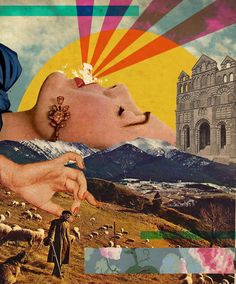
UNITY – It’s all about creating a sense of harmony, with no particular object distracting you from the whole.
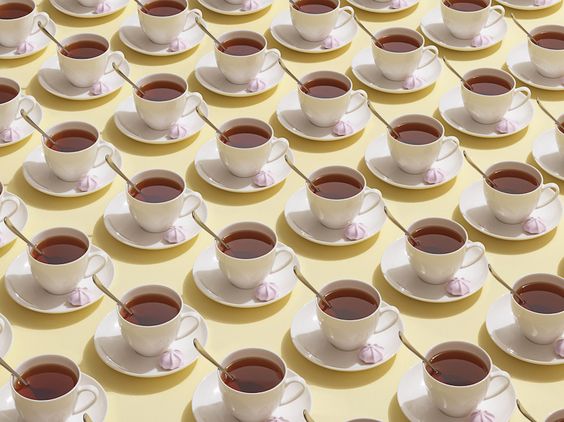
Unity can be achieved by using the same/similar shapes, distributing colours evenly, repetition of the same object.
There are two types of unity; unity with variation and unity without variation.
Unity with variation

Unity without variation
BALANCE
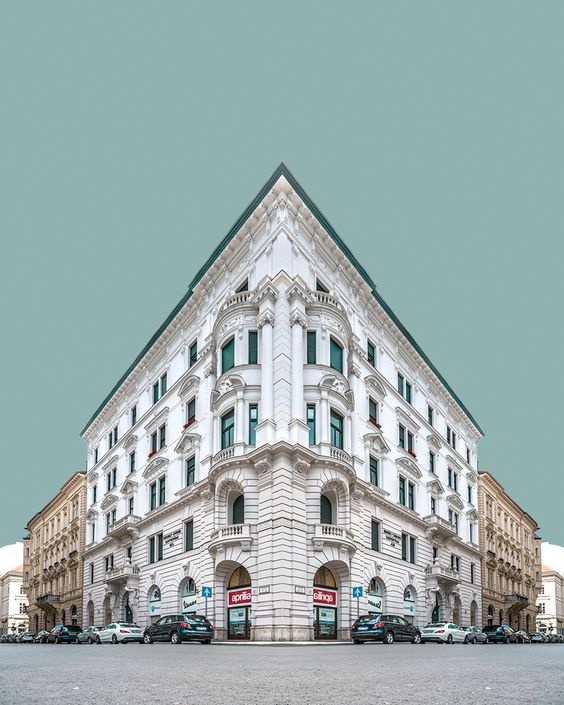
There are two ways of creating balance, either through symmetry or asymmetry.
Symmetry – creates stillness or a sense of calm
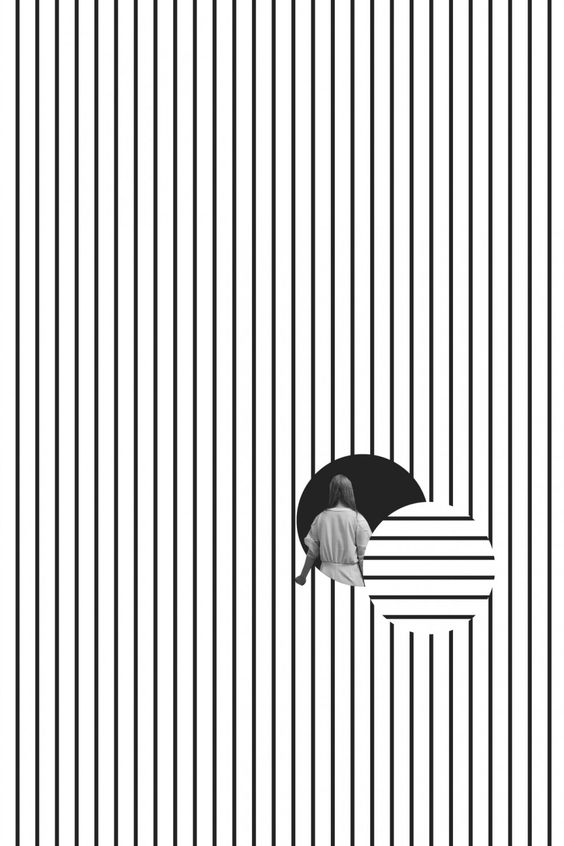
Asymmetry – creates tension or movement
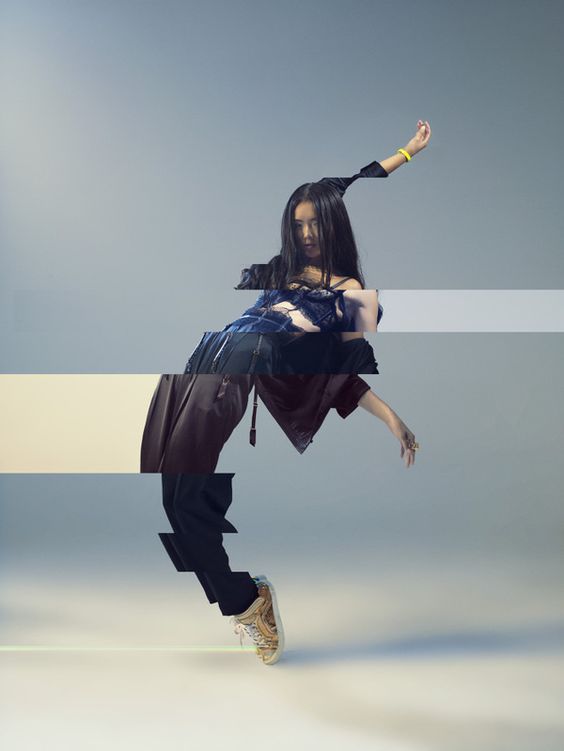
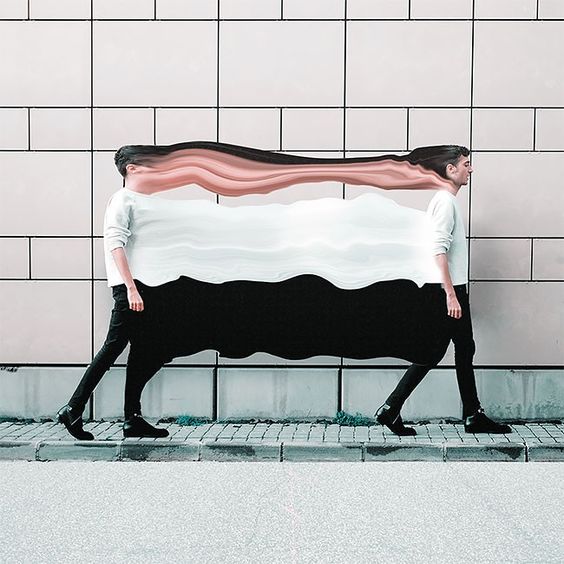
MOVEMENT
Movement can be created by placing objects in suspended animation to create the illusion of movement.
RHYTHM
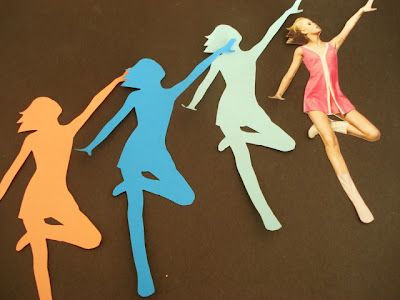
Rhythm can be created through the placement of objects in a composition. By altering the distance of objects you can change the rhythm.
FOCUS – creating a main focus or point of interest in the collage.
There are different ways of achieving a focal point, including:
- Isolating an element
- One object differs from all the others
- Difference in colour e.g. muted/bright
- Difference in size
- Meeting of lines
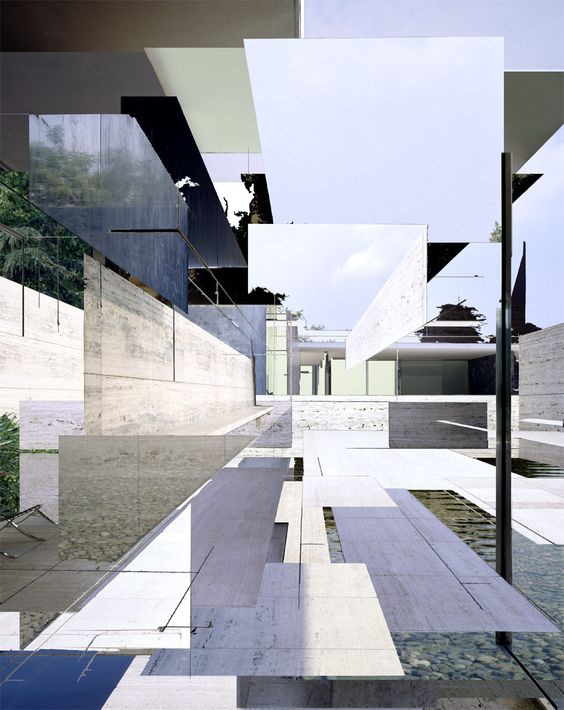
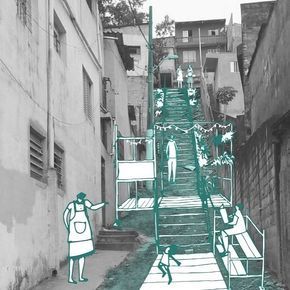
CONTRAST – difference between objects in the composition
Contrast can be achieved through differences in:
- Light/Dark
- Colour
- Texture
- Shape
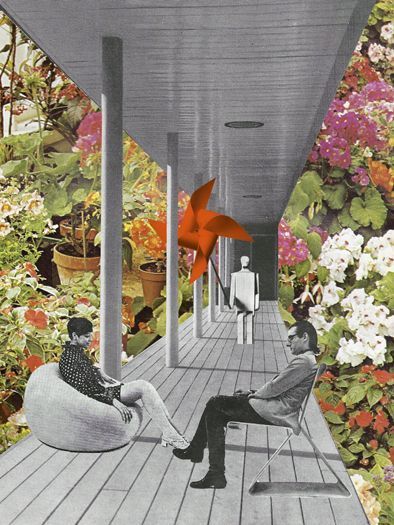
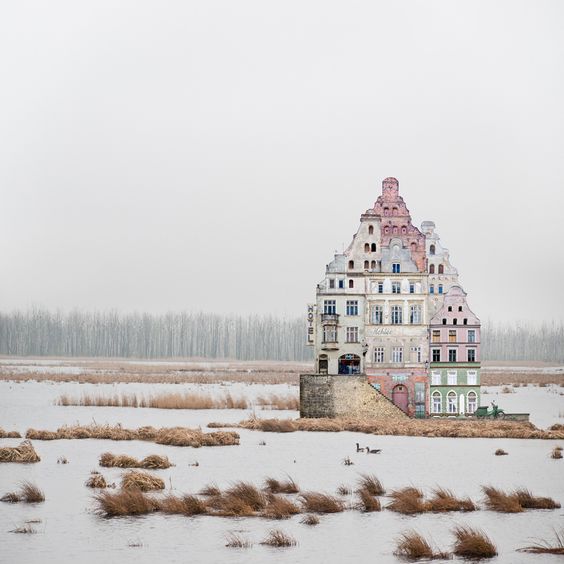
PROPORTION – the size of parts of a whole
Interest can be added to a composition by having unequal parts of a whole.
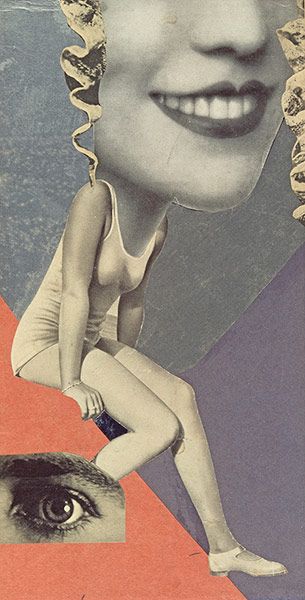
SCALE – the visual comparison between different elements.
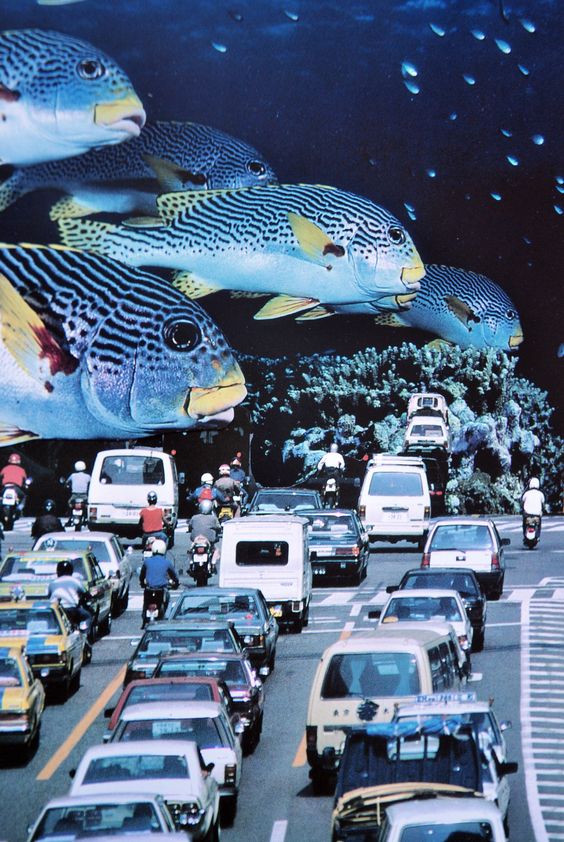
A difference in the size of elements can add interest to a collage.
DEPTH – creating the visual illusion of dimensionality to a 2D collage
Creating a depth of field can help bring a collage to life.
Depth can be created by:
- The overlapping/layering of objects
- Placing foreground/background objects in different parts of the composition
- Making foreground objects larger and more vibrant
- Increasing the distance between objects in the composition

THE RULE OF THIRDS
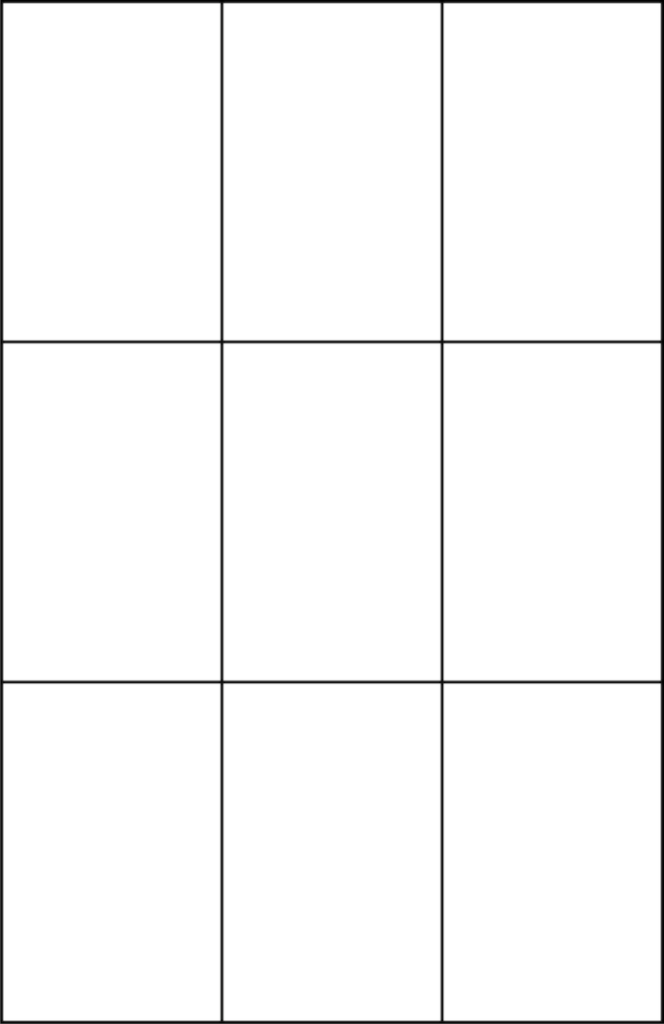
Possibly the best known rule of composition the rule of thirds is a helpful device to help balance the placement of objects in a composition. The key is to place objects along the lines of intersection.
This post is inspired by Hollie Chastain’s book ‘If you can cut you can collage’.
 Art and Architecture